PADI Certification and Your Raja Ampat Diving Package
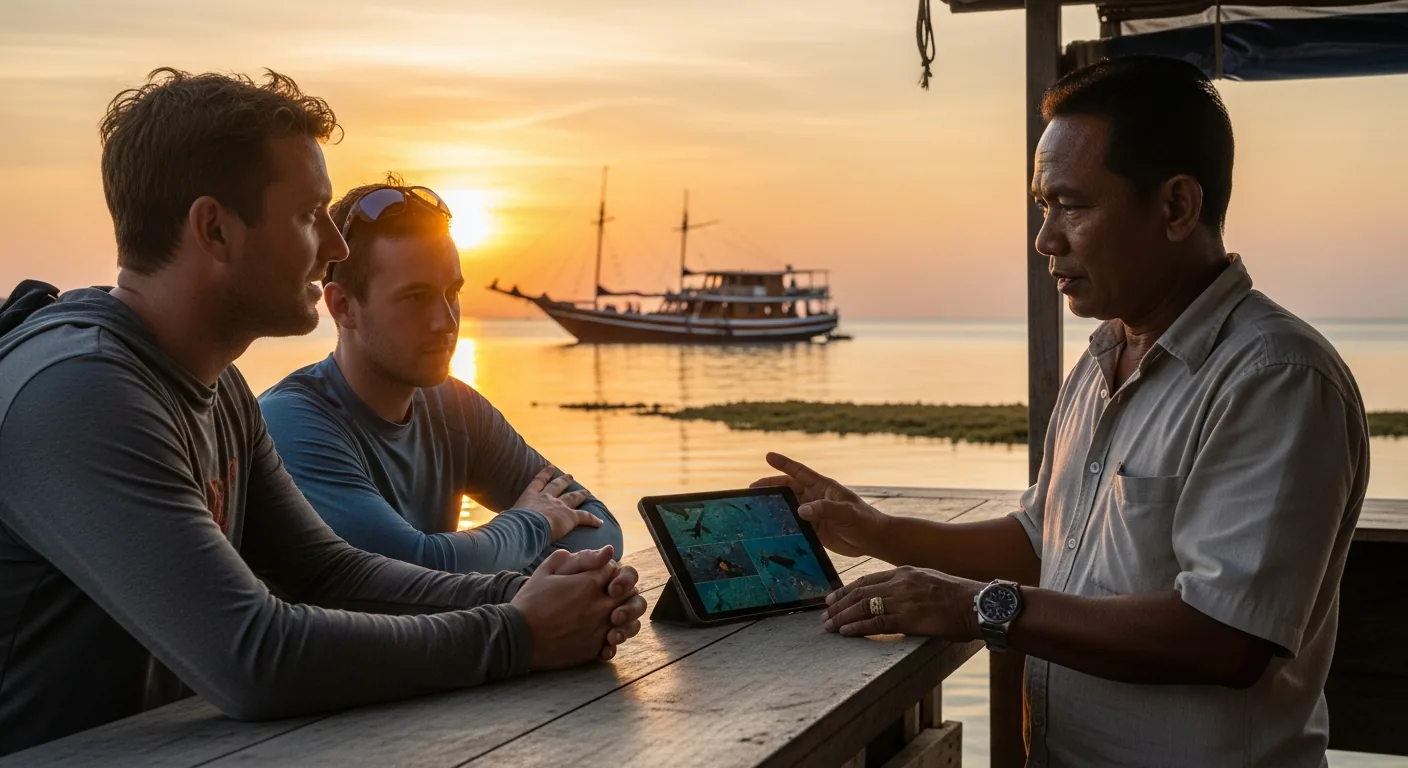
The water moves with purpose in the Dampier Strait. As you descend at Mike’s Point, a site named after pioneer aviator Mike Finscke, the current asserts its presence—a consistent, powerful force that dictates the terms of the dive. You are not swimming; you are navigating. Below, a school of fusiliers, thousands strong, parts and reforms like a metallic cloud. A Spanish mackerel, built for velocity, slices through the blue. This is not an environment for the novice. It requires a specific skillset, a composure born of experience, and a deep understanding of diving in dynamic water conditions. This is why a discussion about a Raja Ampat diving package must begin with a serious consideration of PADI certification levels and logged experience. See also: Home.
The archipelago, comprising over 1,500 jungle-clad islands at the heart of the Coral Triangle, is a hydrographic anomaly. Here, the Pacific and Indian Oceans converge, creating nutrient-rich upwellings and currents that fuel the highest marine biodiversity recorded on Earth. To properly engage with this environment, particularly at premier sites like Cape Kri and the channels of Misool, divers must possess credentials that reflect their ability to manage depth, currents, and complex dive profiles. Our expeditions are structured for the certified diver who seeks not just to see Raja Ampat, but to competently and safely explore its most rewarding and challenging sites. See also: our Best Time Raja Ampat Diving.
The Professional Standard: PADI Advanced Open Water in Raja Ampat
While a PADI Open Water certification is a commendable entry into the world of diving, the specific conditions in Raja Ampat demand a higher level of proficiency. We designate the PADI Advanced Open Water (AOW) certification, coupled with a minimum of 50 logged dives, as the baseline for participation in our Raja Ampat dive trips. This is not a gatekeeping measure, but a prerequisite for safety and enjoyment. Several key dive sites regularly feature on our itineraries descend below the 18-meter (60-foot) limit of an Open Water certification. For example, the seamount at Blue Magic, a renowned congregation point for oceanic manta rays (Manta birostris), has a top reef at 10 meters, but its most active sections lie between 25 and 30 meters.
Furthermore, the defining characteristic of the region is current. The Dampier Strait, a channel separating the islands of Waigeo and Batanta, can experience currents exceeding 6 knots during tidal exchanges. Navigating such conditions requires mastery of skills formally taught in the PADI Drift Diver specialty course, a core component of AOW training. Divers must be adept with a surface marker buoy (SMB) and comfortable performing negative entries. Our dive guides, each with over 5,000 dives logged within Raja Ampat, prioritize safety protocols, but a diver’s foundational competence is non-negotiable. For those planning a multi-day Raja Ampat liveaboard package with up to four dives per day, we also strongly recommend the Enriched Air Nitrox (EANx) certification to extend bottom times and reduce surface intervals. See also: ampat diving cost.
Curating Your Expedition: Raja Ampat Liveaboard Package vs. Resort Stay
The choice between a land-based resort and a sea-based liveaboard is a primary decision in structuring your Raja Ampat dive trip. Each offers a distinct methodology for exploring the 4.6 million-hectare marine protected area. A resort provides a fixed base of operations with significant comforts, while a liveaboard offers unparalleled access to remote and geographically dispersed dive regions like Misool, located 150 kilometers south of the main port of Sorong. See also: explore Contact.
A Raja Ampat resort dive experience is centered around a single location, typically in the Dampier Strait area. Daily boat dives explore surrounding reefs within a 60- to 90-minute radius. This option is well-suited for divers traveling with non-diving partners or those who prefer more spacious accommodations and onshore activities. Conversely, a Raja Ampat liveaboard package is a dedicated diving instrument. These vessels, often traditional Indonesian Phinisi schooners, travel significant distances overnight, positioning divers at optimal sites at sunrise, long before day boats can arrive. This is the only practical way to dive the pinnacles of the Fam Islands and the pristine reefs of southern Misool on the same expedition.
| Feature | Raja Ampat Liveaboard Package | Raja Ampat Resort Dive Package |
|---|---|---|
| Geographic Reach | Extensive. Covers multiple regions like North, Central, and South (Misool) in a single trip. | Localized. Dives are typically within a 90-minute boat ride from the resort. |
| Dive Frequency | High. Typically 3-4 dives per day, including potential night dives. | Moderate. Usually 2-3 dives per day. |
| Dive Site Access | Prime access to remote, less-visited sites at optimal times (e.g., sunrise). | Access to popular, high-quality local sites; subject to day-boat travel times. |
| Accommodation | Private cabins on a vessel (e.g., 8 cabins for 16 guests). Space is functional. | Spacious overwater bungalows or beachfront villas with extensive amenities. |
| Ideal For | Dedicated divers focused on maximizing dive time and exploring diverse ecosystems. | Divers seeking a balance of diving, relaxation, and land-based comfort. |
Sample Itinerary: 11-Day/10-Night Central & North Raja Ampat Liveaboard
This specimen itinerary illustrates the logistical efficiency and experiential depth of a well-planned Raja Ampat liveaboard package. The route is designed to follow a logical progression through the region’s most significant underwater topographies.
- Day 1: Sorong Embarkation. 14:00 transfer from Sorong Airport (SOQ) to the vessel. 16:00 welcome briefing and vessel orientation. 18:00 departure from Sorong harbor, heading west.
- Day 2: Dampier Strait East. 07:30 Dive 1: Manta Sandy for cleaning station observation. 11:00 Dive 2: Arborek Jetty for macro subjects and schooling fish. 15:00 Dive 3: Yenbuba Jetty.
- Day 3-4: Cape Kri & Dampier Strait Central. Four dives daily at sites like Cape Kri, where Dr. Gerald R. Allen recorded 374 fish species on a single dive. Other sites include Blue Magic and Sardine Reef, focusing on pelagic action and dense fish biomass.
- Day 5: The Gam River (The Passage). Two dives in the unique saltwater river separating Gam and Waigeo islands, a habitat for archerfish, gorgonian fans, and unique underwater photography subjects. Afternoon dive at a nearby reef.
- Day 6-7: Penemu & Fam Islands. Dives at Melissa’s Garden, a sprawling hard coral plateau. A shore excursion includes the 342-step climb to the Penemu viewpoint for a panoramic perspective of the limestone karst islands.
- Day 8-9: Kawe & Aljui Bay. Crossing the equator to dive with manta ray populations near Kawe. Exploration of Aljui Bay, known for its pearl farm and exceptional macro and night diving opportunities.
- Day 10: Dampier Strait West. Final two dives of the trip at sites like Citrus Ridge or Mike’s Point, depending on currents and conditions. Afternoon spent cruising back towards Sorong.
- Day 11: Disembarkation. 07:00 final breakfast. 08:00-11:00 transfers to Sorong Airport for onward flights.
Raja Ampat Diving Package: Inclusions & Investment
Our expeditions are structured to be comprehensive. We manage the complex logistics of operating in this remote corner of West Papua, allowing you to focus on the diving. Investment for a Raja Ampat dive package varies based on duration and accommodation style.
Resort-based packages (8-day/7-night) commence at USD 4,850 per person.
Liveaboard packages (11-day/10-night) commence at USD 6,200 per person.
A typical Raja Ampat diving package includes the following:
- Round-trip transfers from Sorong (SOQ) airport to the resort or liveaboard vessel.
- Accommodation in selected cabin or bungalow type.
- All meals, snacks, coffee, tea, and drinking water.
- A full dive program of up to 4 dives per day (including night dives, weather and itinerary permitting).
- Professional, English-speaking PADI-certified dive guides (ratio of 4 divers to 1 guide).
- Standard 12-liter aluminum tanks, weights, and weight belts.
Key exclusions are international and domestic flights, Raja Ampat Marine Park and local area fees (currently IDR 1,000,000, subject to change), dive equipment rental, Enriched Air Nitrox fills, and staff gratuities.
Technical Diving Inquiries
We receive many questions from experienced divers planning their trip. Below are answers to the most frequent inquiries.
Is PADI Open Water sufficient for any Raja Ampat sites?
While some sheltered house reefs at resorts can be dived by Open Water divers, you would be excluded from over 80% of the premier sites. To access the full scope of a Raja Ampat dive trip, Advanced Open Water is the required minimum.
What is the minimum number of logged dives required?
We require a minimum of 50 logged dives, with recent experience (a dive within the last 12 months). This ensures divers are comfortable with their equipment and buoyancy control before entering challenging conditions.
How are the currents in Misool compared to the Dampier Strait?
The Dampier Strait is known for its consistent, channel-driven currents. Misool’s currents are often more site-specific and related to pinnacles and seamounts. Sites like Magic Mountain can have strong currents at its peak, but many other Misool sites are more protected. Both require proficiency in drift diving.
What are the gear recommendations for a Raja Ampat dive trip?
A 3mm wetsuit is sufficient for the water temperatures of 28-30°C (82-86°F). A reef hook is essential for sites with strong currents, allowing you to hold position without damaging coral. A high-quality dive computer and a surface marker buoy (SMB) are mandatory for every diver.
When is the primary diving season?
The primary season runs from October through April, characterized by calmer sea conditions and drier weather. The monsoon season, from June to September, can bring higher winds and surface chop, particularly affecting liveaboard crossings to Misool.
Are solo divers accommodated?
Yes, solo divers are welcome. We will pair you with another diver of similar skill level. A single supplement fee applies for those who wish to guarantee a private cabin or room.
Our Operational Doctrine: Safety and Expertise
As a PADI 5-Star affiliated operator, our commitment to safety is systematic and uncompromising. Our lead vessel, the Phinisi Juara, was constructed in South Sulawesi in 2018 and is equipped with modern navigation, communication (including satellite phone), and safety equipment that meets or exceeds SOLAS standards. Our dive guides are not seasonal staff; they are career professionals with deep, specific knowledge of Raja Ampat’s underwater cartography. Our lead guide, Yusuf, has been guiding in these waters since 2007 and has logged over 7,000 dives from the Wayag archipelago to the far reaches of Misool. This level of experience is critical for making informed decisions about site selection based on real-time tidal patterns and weather conditions, ensuring both safety and the highest quality diving experience for our clients.
The Booking Protocol
Securing your place on a Raja Ampat diving expedition is a straightforward process, managed by our Bali-based client services team.
- Initial Inquiry: Contact us via email or phone with your preferred travel dates, group size, and certification level.
- Consultation: Our specialists will discuss your diving experience and preferences to recommend the most suitable Raja Ampat dive package, whether it be a liveaboard or resort-based trip.
- Itinerary Confirmation: We will provide a detailed, day-by-day proposal and quotation for your review.
- Deposit and Payment: A 30% deposit secures your booking. The final balance is due 90 days prior to the departure date. Payments can be made via bank transfer or credit card.
- Pre-Trip Preparation: You will receive a comprehensive pre-departure guide, including a packing list, flight recommendations to Sorong (SOQ), and all necessary travel information.
Further Indonesian Archipelago Expeditions
For certified divers who have experienced Raja Ampat, the Indonesian archipelago offers other compelling regions. A Komodo dive trip presents a different challenge, with cooler waters, volcanic underwater landscapes, and a focus on both macro life and strong currents. For a truly expeditionary experience, our Banda Sea itineraries explore the historic Spice Islands, offering pristine reefs and reliable sightings of schooling hammerhead sharks during specific migration periods in October and November. Each destination requires a similar level of diver competence and provides a unique window into the vast marine wealth of this nation.