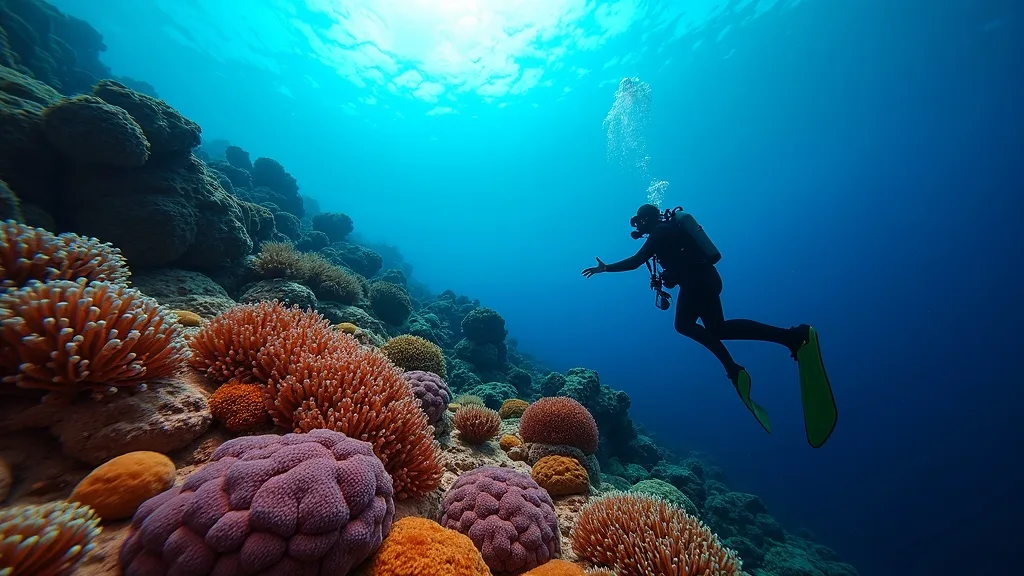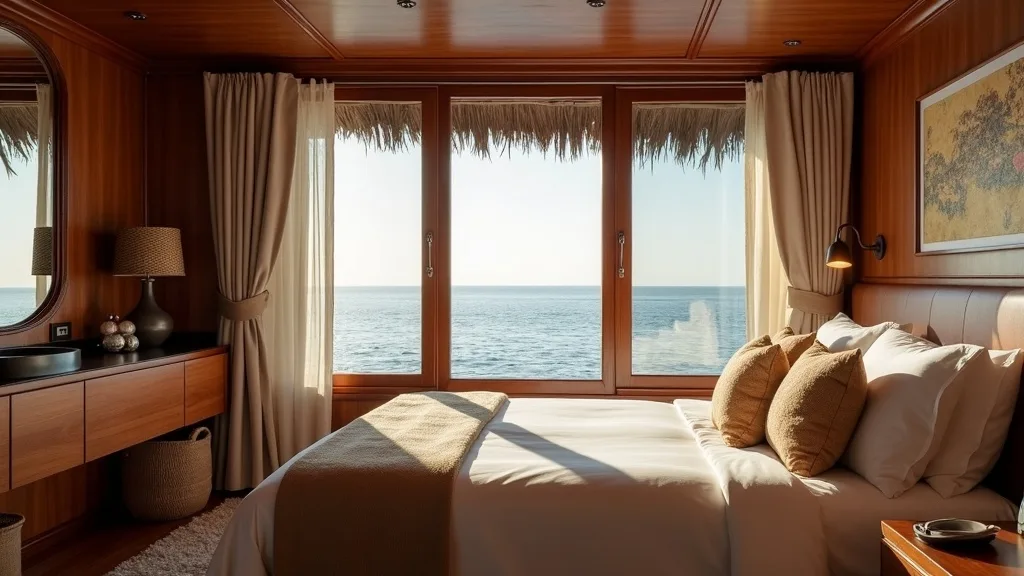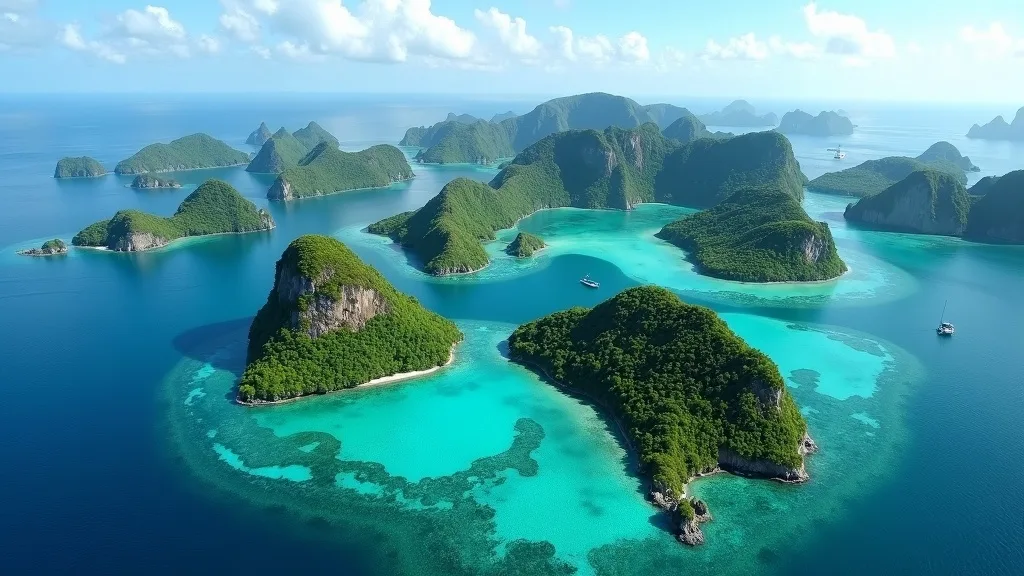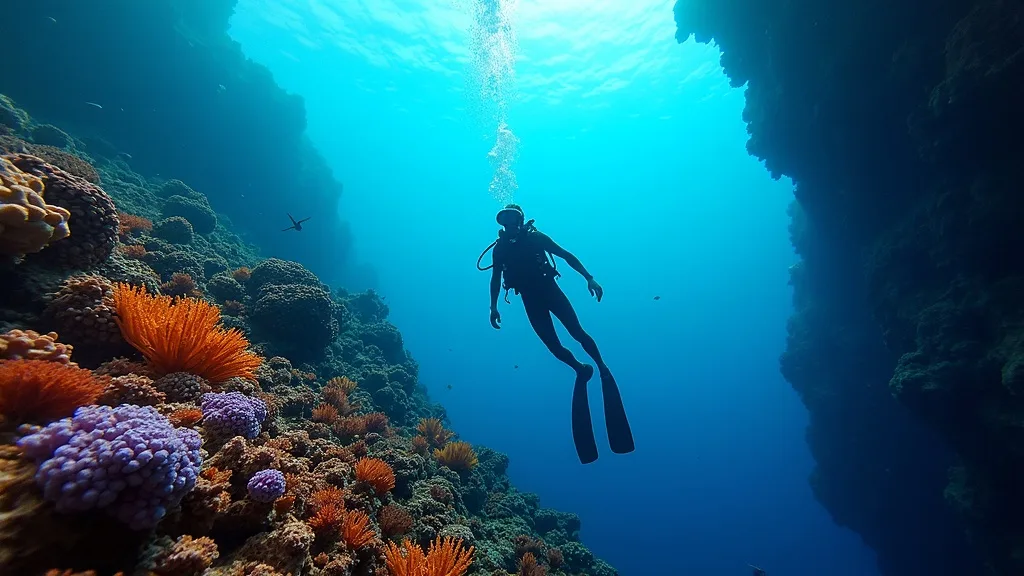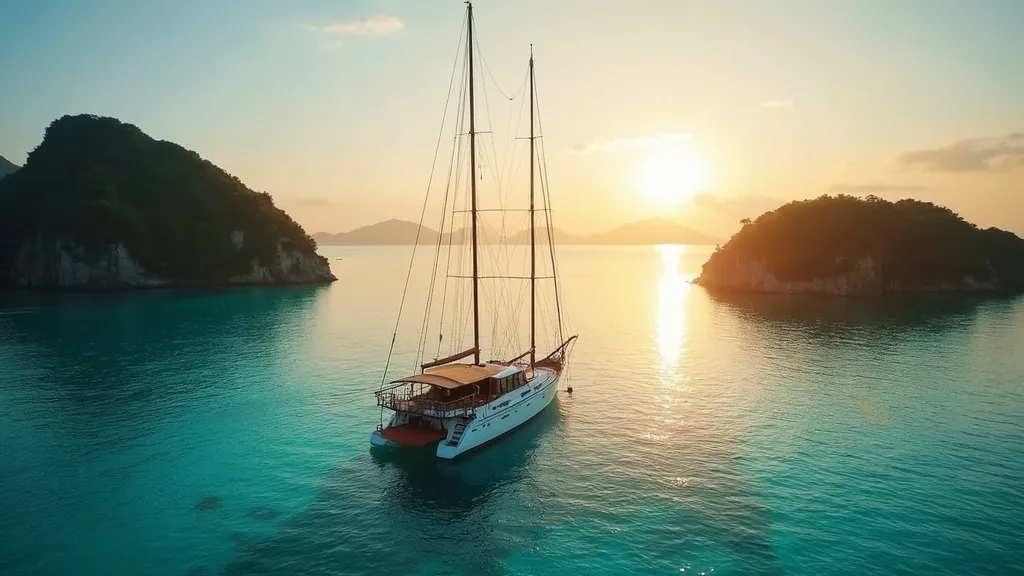
The Raja Ampat Diving Package offers an exclusive private, whole-yacht charter experience through the pristine waters of Raja Ampat Marine Park. Operated by Komodo Luxury, each journey includes a dedicated crew, gourmet chef, and certified dive guides, promising an unforgettable exploration of this marine paradise.
Raja Ampat Diving Package Overview
Set the Coral Triangle, the Raja Ampat archipelago is renowned for its extraordinary marine biodiversity. The Raja Ampat Diving Package is an exceptional opportunity to explore this underwater Eden with a private charter, ensuring both luxury and privacy in your adventure.
How the Charter Works & What Is Included
- Whole-Yacht Privacy: Charter the entire vessel for your group, including a full crew, gourmet chef, and certified dive guides.
- Crew Composition: A professional captain, experienced deck crew, a dedicated chef for exquisite meals, and dive guides for optimal safety and site expertise.
- Embarkation Points: Most charters embark from Sorong, with transfers available from Domine Eduard Osok Airport (SOQ) to Sorong Harbour. Waisai is available for certain itineraries.
- Permits & Fees: The Raja Ampat Marine Park Entry Permit is approximately IDR 1,000,000 (~USD 65–70) per foreign visitor, purchasable online or at Waisai/Sorong.
Itineraries & Duration
Our itineraries are tailored to showcase the wonders of Raja Ampat, starting from a minimum of 4 nights:
- 4-Night Diving: Focused exploration of core dive sites.
- 7-Night Full Raja Ampat: Comprehensive coverage of the archipelago.
- 10-Night Raja Ampat + Misool: Extends to Misool Marine Park.
- 11-Night Raja Ampat + Cendrawasih: Includes Cendrawasih Bay for whale shark encounters.
Why Raja Ampat & Best Season
Raja Ampat is celebrated for its rich marine life and stunning landscapes. The prime season, from October to April, offers calm seas and excellent visibility. Manta rays are most commonly seen between December and March at Manta Sandy, while whale sharks inhabit Cendrawasih Bay year-round.
Named Vessels
- Lamima: A 65m Phinisi with 7 cabins, hosting up to 14 guests.
- Prana by Atzaro: A 55m vessel with 9 cabins, accommodating up to 18 guests.
What’s Included
- Private charter of the entire yacht
- Dedicated crew and certified dive guides
- Gourmet meals prepared by the onboard chef
- Use of diving equipment and facilities
- All Raja Ampat Marine Park permits
Who It’s For
This package is perfect for discerning travellers seeking an exclusive diving experience, with a preference for private, tailored exploration over traditional group tours. It appeals to both seasoned divers and those new to the underwater world.
Comparison & Specifications
| Vessel | Size | Cabins | Guests |
|---|---|---|---|
| Lamima | 65m | 7 | 14 |
| Prana by Atzaro | 55m | 9 | 18 |
FAQ
What is the best time to dive in Raja Ampat?
The best diving season is from October to April, with optimal conditions for visibility and marine life encounters.
How do I get to Raja Ampat?
Fly to Domine Eduard Osok Airport (SOQ) in West Papua, then transfer to Sorong Harbour for embarkation.
Are diving guides provided?
Yes, each charter includes certified dive guides to ensure safety and enrich your diving experience.
What is the cost of the Marine Park Entry Permit?
The permit costs approximately IDR 1,000,000 (~USD 65–70) per foreign visitor and can be purchased online or at Waisai/Sorong.
Onboard Experience & Amenities
The vessels operated by Komodo Luxury are designed to offer an exceptional onboard experience, ensuring comfort and indulgence throughout your journey in Raja Ampat. Each yacht, including the prestigious Lamima and Prana by Atzaro, is equipped with luxury amenities and facilities that cater to all your needs.
Guests can enjoy spacious and elegantly furnished cabins, complete with en-suite bathrooms, air conditioning, and ample storage. Communal areas are designed for relaxation and socialising, featuring indoor and outdoor lounges, sun decks, and dining spaces. These areas are perfect for unwinding after a day of diving or exploring the stunning seascapes of Raja Ampat.
The onboard chef prepares a diverse array of culinary delights, accommodating dietary preferences and offering a menu that showcases both international and local Indonesian flavours. Meals are enjoyed in an open-air setting, allowing guests to dine while taking in the striking views of the archipelago.
Diving Equipment & Safety Measures
Komodo Luxury places a strong emphasis on safety, ensuring that all guests have a secure and enjoyable diving experience. Each vessel is equipped with state-of-the-art diving gear, including tanks, regulators, BCDs, wetsuits, and weights. For those who prefer to bring their own equipment, storage facilities are available onboard.
Highly experienced dive guides accompany each expedition, offering expertise and local knowledge of Raja Ampat’s diverse marine life and dive sites. These guides are trained in first aid and emergency response, ensuring that safety protocols are adhered to at all times.
- Emergency oxygen kits and first aid supplies are readily available on each vessel.
- All divers receive a comprehensive briefing before each dive, covering site-specific conditions and safety procedures.
- Surface support is provided during all diving excursions, with communication systems in place between divers and the vessel.
Environmental Responsibility & Conservation Efforts
Komodo Luxury is committed to promoting sustainable tourism and protecting the pristine environment of Raja Ampat. The operators work closely with local communities and environmental organisations to support conservation efforts and minimise the ecological footprint of their operations.
Guests are encouraged to participate in eco-friendly practices during their stay, including the use of biodegradable products and adherence to a strict ‘leave no trace’ policy. The vessels are equipped with waste management systems to ensure that waste is disposed of responsibly, and recycling initiatives are actively promoted onboard.
Additionally, a portion of the marine park entry permit fees contributes to the conservation and management of Raja Ampat’s marine biodiversity. By choosing to charter with Komodo Luxury, guests not only experience a once-in-a-lifetime diving adventure but also contribute to the preservation of this unique marine ecosystem.
Customised Culinary Experiences
Onboard the private crewed dive boats of Komodo Luxury, guests are treated to a bespoke culinary journey that complements the exquisite natural beauty of Raja Ampat. The onboard chef crafts menus that highlight fresh, locally sourced ingredients, offering a fusion of traditional Indonesian flavours and international cuisine. If you prefer a casual al fresco dining experience on deck or a more formal setting in the dining area, each meal is tailored to your preferences.
Guests have the opportunity to consult with the chef to ensure dietary needs and personal tastes are met. From freshly caught seafood to lively tropical fruits, the culinary team ensures that every dish is not only a feast for the palate but also a visual delight. Special occasions such as birthdays or anniversaries can also be celebrated with customised menus and unique dining arrangements.
Environmental Initiatives and Sustainability
Komodo Luxury is committed to preserving the pristine environment of Raja Ampat through sustainable practices and responsible tourism. The crewed dive boats operate with an emphasis on minimising environmental impact, employing eco-friendly technologies and waste management systems on board. Guests are encouraged to participate in conservation efforts, such as beach clean-ups or educational sessions on marine biodiversity.
Efforts extend beyond the boats, with partnerships with local communities to support conservation initiatives and promote sustainable livelihoods. The collection of the mandatory Raja Ampat Marine Park Entry Permit also contributes to the maintenance and protection of the marine ecosystem. These initiatives ensure that Raja Ampat remains a lively habitat for diverse marine life, while also offering travellers an opportunity to engage with and support these vital efforts.
Personalised Dive Experiences
Each dive excursion is meticulously planned to cater to the unique preferences and skill levels of the guests. If you a seasoned diver or new to the underwater world, the dive guides tailor the experience to ensure safety and enjoyment. Dive sites are selected based on real-time conditions and guest interests, with options to explore renowned locations such as Cape Kri for its abundant marine life or Manta Sandy for its graceful manta rays.
Dive packages often include multiple dives per day, with the flexibility to adjust schedules according to weather conditions and personal preferences. Small group sizes ensure personalised attention and a more intimate diving experience. Guests are provided with top-of-the-line diving equipment, and safety protocols are rigorously adhered to, ensuring peace of mind as you explore the depths of Raja Ampat’s lively marine ecosystems.
Local Cuisine and Dining Experience on Board
Indulging in the culinary delights of the region is an integral part of the Raja Ampat diving experience. Onboard the private crewed dive boats operated by Komodo Luxury, guests are treated to a gourmet dining experience that reflects the rich flavours of Indonesian cuisine, complemented by international dishes. Each meal is meticulously prepared by a dedicated chef, ensuring that both dietary preferences and nutritional needs are catered for.
The menu includes an array of freshly sourced seafood, tropical fruits, and locally inspired dishes, offering a taste of the archipelago’s lively culinary landscape. Whether relishing a breakfast of exotic fruits and freshly baked pastries, enjoying a sumptuous lunch of grilled fish, or savouring a dinner of traditional Indonesian rendang, guests are assured a dining experience as memorable as the diving itself.
- Breakfast: Fresh fruits, pastries, eggs, and Indonesian staples like nasi goreng.
- Lunch: Light salads, grilled seafood, sandwiches, and local delicacies.
- Dinner: A mix of Indonesian and international dishes, including vegetarian options.
Environmental Conservation and Community Engagement
Komodo Luxury’s operations in Raja Ampat are deeply committed to environmental sustainability and supporting local communities. As part of the diving package, guests are invited to engage with conservation efforts that help preserve the region’s rich biodiversity. This includes participating in reef monitoring and coral restoration activities, which not only enhance the diving experience but also contribute to the long-term health of the marine ecosystem.
The partnership with Luxury Raja Ampat further extends to community initiatives, where guests can learn about and support local projects, such as education programmes and sustainable tourism practices. This engagement not only provides valuable insights into the local culture and ways of life but also ensures that tourism positively impacts the region.
| Conservation Activity | Description |
|---|---|
| Reef Monitoring | Guided dives to assess coral health and marine life diversity. |
| Coral Restoration | Participate in planting coral fragments and maintaining restoration sites. |
| Community Engagement | Visit local villages and support education and environmental programmes. |
For more detailed itinerary options and to start planning your charter, plan your charter on WhatsApp.