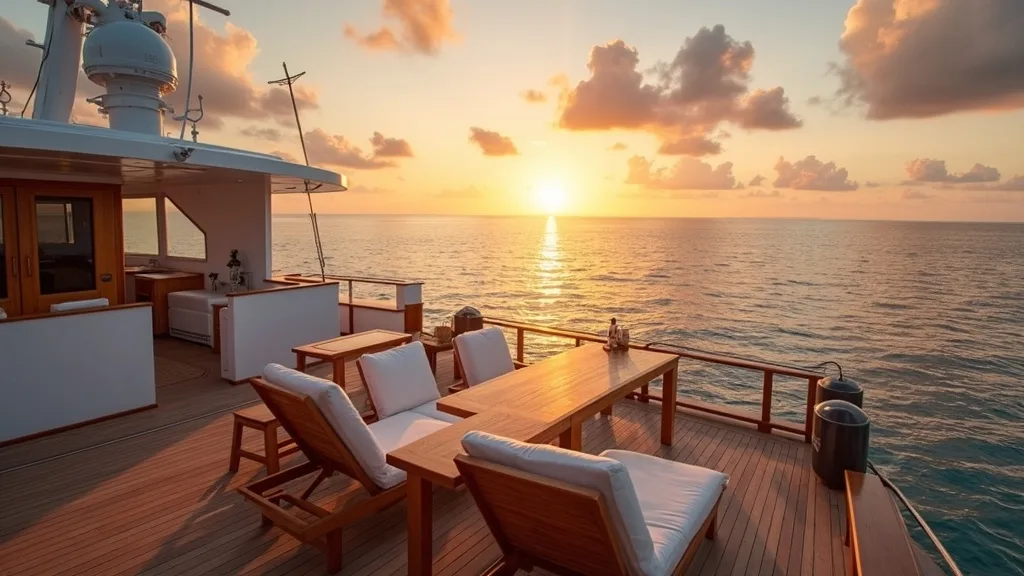
The cost of a Raja Ampat diving package varies based on the duration, vessel, and type of experience. A private yacht charter typically ranges from $10,000 to $12,000 per night for up to eight guests, while group liveaboards cost between $2,200 and $4,140 per person for 7 to 11 nights, depending on cabin selection and itinerary.
Understanding Raja Ampat Diving Package Cost
When considering a dive expedition in the pristine waters of Raja Ampat, it’s essential to understand the cost structure. The charter costs are influenced by several factors, including the vessel size, length of stay, and seasonality. Operated by Komodo Luxury in collaboration with Luxury Raja Ampat, our packages ensure a premium experience.
How Luxury Charters Are Priced
| Factor | Pricing Impact |
|---|---|
| Vessel Size | Larger yachts like the 65m Lamima command higher rates due to increased capacity and amenities. |
| Nights | Minimum stay is 4 nights; extended charters add significant value. |
| Guests | Standard pricing assumes 8 guests; fewer guests may incur additional costs. |
| Season | Peak season rates can rise 10-20% due to demand, particularly from December to March. |
Indicative Per-Night Ranges
For whole-yacht charters, expect to pay between $10,000 and $12,000 per night, including the crew, chef, and dive guides. Group liveaboard prices vary per itinerary and cabin type, with 7-day trips starting at $2,950 per person.
Included vs. Extra Costs
- Included: All meals, dive guides, and accommodations.
- Extras: Raja Ampat Marine Park Permit, ferry transfers, and dive equipment rental.
What’s Included in Your Package
- All meals, coffee, tea, and water.
- Luxury accommodations with modern amenities.
- Expert dive guides and comprehensive dive briefings.
- Access to exclusive diving sites and local villages.
Who It’s For
This package is ideal for discerning divers seeking an exclusive and comprehensive exploration of Raja Ampat’s marine biodiversity. If you a seasoned diver or a luxury traveler looking for an exceptional experience, our packages cater to a range of interests and expertise levels.
Comparison of Vessels and Itineraries
| Vessel | Size | Capacity | Itineraries |
|---|---|---|---|
| Lamima | 65m | 14 guests | 4 to 11-night options |
| Prana by Atzaro | 55m | 18 guests | 7 to 11-night options |
FAQs
What is the best season for diving in Raja Ampat? The best season is from October to April, with peak manta sightings from December to March.
Is the Raja Ampat Marine Park Permit included? No, the permit costs approximately IDR 1,000,000 (~$65-70) per visitor and can be purchased online or at Waisai/Sorong.
What additional costs should I consider? Additional costs include ferry transfers, dive equipment rental, and travel insurance.
Can I customize my itinerary? Yes, itineraries can be tailored to your preferences, subject to availability and vessel capacity.
The Unique Experience of a Private Crewed Charter
Choosing a private crewed dive boat charter in Raja Ampat with Komodo Luxury offers an exclusive experience tailored to your preferences. Unlike regular dive trips, a private charter provides the flexibility to customise your itinerary, ensuring you visit the dive sites that intrigue you the most. If you keen on exploring the lively coral gardens of Cape Kri or witnessing the striking manta rays at Manta Sandy, your journey is crafted to offer an intimate connection with the marine wonders of Raja Ampat.
Onboard, guests can expect exceptional service from a dedicated team comprising a captain, a chef, and experienced dive guides. The crew is committed to ensuring your safety and comfort, while the chef delights with culinary creations that cater to your dietary requirements. Dive guides, familiar with the region’s dynamic underwater ecosystems, are on hand to enhance your diving experience, offering insights into the diverse marine life and ensuring your underwater adventures are both safe and rewarding.
Moreover, the private charter allows for a more relaxed pace, giving you the freedom to start your day when you please and to linger at dive sites as long as you wish. This bespoke approach not only maximises your enjoyment but also ensures a truly personal and memorable exploration of Raja Ampat’s underwater marvels.
Environmental Considerations and Sustainable Practices
Komodo Luxury is committed to sustainable tourism practices, ensuring that your diving adventure in Raja Ampat is both enjoyable and environmentally responsible. The company actively supports local conservation efforts and operates in compliance with marine park regulations to minimise environmental impact. This includes adherence to the Raja Ampat Marine Park Entry Permit system, which helps fund conservation initiatives and supports the local community.
Onboard, sustainable practices are integrated into daily operations. The vessels are equipped with eco-friendly waste management systems, and efforts are made to reduce single-use plastics by offering alternatives such as reusable water bottles. The crew is trained in environmentally sensitive diving techniques, ensuring that coral reefs and marine life are protected during every dive.
- Use of biodegradable cleaning products.
- Supporting local suppliers to reduce carbon footprint.
- Engagement in local community projects for marine conservation.
By choosing a private crewed charter with Komodo Luxury, guests contribute to the preservation of Raja Ampat’s pristine ecosystems, ensuring that the region’s natural beauty is maintained for future generations.
Preparing for Your Raja Ampat Diving Adventure
Preparing for a diving trip in Raja Ampat involves more than just packing your swimwear and sunscreen. Given the remote location, thorough preparation ensures a smooth and enjoyable journey. Begin by booking your flights to Domine Eduard Osok Airport (SOQ) in West Papua, followed by a sea transfer to your embarkation point, often Sorong or Waisai.
Before your trip, it’s essential to secure a Raja Ampat Marine Park Entry Permit. This can be conveniently purchased online or at designated offices in Sorong and Waisai. The permit not only allows access to the rich biodiversity of Raja Ampat but also supports conservation efforts in the area.
| Item | Details |
|---|---|
| Marine Park Permit | IDR 700,000 (~USD 45) |
| Visitor Entry Ticket | IDR 300,000 (~USD 20) |
In terms of gear, while most charters provide basic dive equipment, it’s advisable to bring personal items such as masks, snorkels, fins, and dive computers for comfort and familiarity. Don’t forget essential travel items like motion sickness medication if you’re prone to seasickness, as the waters can occasionally be choppy.
Finally, consider the best time for your visit. The period from October to April is ideal, particularly for manta ray sightings between December and March. Whale sharks are a year-round attraction in the Cendrawasih area, making any time a good time for encounters with these gentle giants. With proper preparation, your diving adventure in Raja Ampat promises to be an extraordinary journey into one of the world’s most stunning marine paradises.
Dive Sites and Itineraries: Exploring the Underwater Wonders
The Raja Ampat archipelago is renowned for its astounding marine biodiversity, offering divers an opportunity to explore some of the world’s most lively underwater ecosystems. The itineraries offered by Komodo Luxury are meticulously crafted to ensure guests experience the best dive sites available in the region.
Among the notable dive sites are Wayag, with its iconic karst islands and crystal-clear lagoons; Piaynemo, known for its stunning coral gardens and panoramic views; and the Dampier Strait, famous for its nutrient-rich currents that attract a plethora of marine life. Cape Kri holds the record for the greatest number of species counted in a single dive, while Manta Sandy provides divers with the chance to observe striking manta rays in their natural habitat from December to March.
Guests can choose from a variety of itineraries to suit their interests and time frames, ranging from a 4-night diving-focused journey to more extensive explorations such as the 11-night Raja Ampat and Cendrawasih itinerary. Each voyage is designed to offer a balance between diving and leisure, allowing guests to fully immerse themselves in the natural beauty of Raja Ampat.
Onboard Experience: Comfort and Cuisine
Aboard the private crewed dive boat charters of Komodo Luxury, guests are assured a high level of comfort and service that enhance their diving holiday to a luxurious escape. The vessels, such as the 65-metre Lamima and the 55-metre Prana by Atzaro, provide spacious and elegantly appointed cabins, ensuring a serene retreat after a day of exploration.
The onboard experience is complemented by a dedicated crew, including a skilled chef who crafts gourmet meals tailored to individual preferences. The culinary offerings onboard are a delightful fusion of Western and Indonesian cuisines, prepared with fresh, local ingredients to ensure a delectable dining experience with every meal.
For those looking to relax after a day of diving, the vessels provide ample leisure facilities. Guests can unwind on sun decks, take in the stunning views, or enjoy a therapeutic massage. The combination of attentive service, luxurious amenities, and exquisite dining ensures that every aspect of the journey is both comfortable and memorable.
For more details and booking inquiries, plan your charter on WhatsApp.