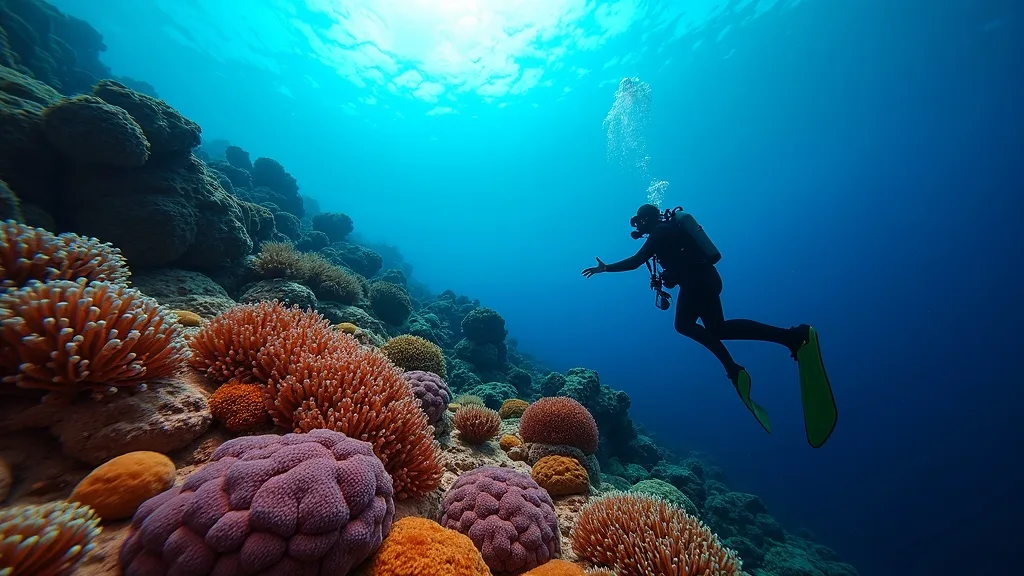
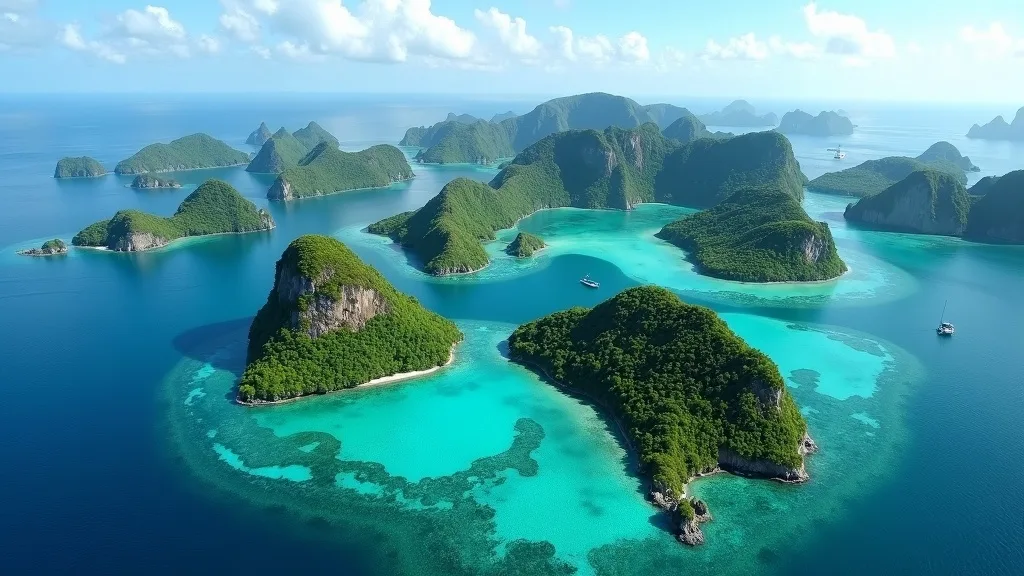
The blue economy in Raja Ampat tourism 2027 focuses on sustainable marine resource use, integrating responsible tourism practices with local economic development and conservation. It supports communities through eco-tours and marine protected area fees, ensuring long-term ecological and financial benefits for the region.
Understanding the Blue Economy in Raja Ampat Tourism 2027: Impact and Opportunities
As Indonesia advances its eastern destinations, the blue economy framework becomes increasingly critical for regions like Raja Ampat. This approach, integral to the bali to raja ampat blue economy tourism 2027 strategy, prioritises sustainable marine resource management. It aims to foster economic growth while safeguarding the ocean’s health, directly influencing how travellers experience this unique archipelago.
For visitors planning a combined Bali Raja Ampat itinerary, understanding the blue economy’s principles is key. The emphasis on eco-friendly Bali Raja Ampat tour avoiding overdevelopment 2027 ensures that tourism contributes positively, rather than detracting from, the pristine environment. This often translates into support for local homestays, responsible dive operators focusing on bali to raja ampat conservation travel 2027, and initiatives that protect the fragile coral ecosystems. The allure of Raja Ampat Cape Kri and Friwen Wall dive from Bali 2027, for instance, is intrinsically linked to the health of these underwater habitats, which the blue economy strives to preserve.
Sustainable Practices and Community Involvement
The blue economy model in Raja Ampat is not merely theoretical; it manifests in tangible practices. Local communities are often at the forefront of conservation efforts, managing marine protected areas and benefiting directly from tourism through entry fees and employment. This framework ensures that the economic gains from the Raja Ampat to Bali cruise with whale sharks 2027, for example, are reinvested into local infrastructure and conservation programmes, fostering a symbiotic relationship between tourism and environmental stewardship.
Consider the affordable open trip Raja Ampat 4D3N from Bali 2027 options. These often involve stays in locally owned guesthouses and reliance on local guides, ensuring that tourist spending circulates within the community. Similarly, the 12D11N Raja Ampat photography tour from Bali 2027 often partners with local boat operators, providing income and encouraging responsible behaviour around marine life. This direct community engagement is a cornerstone of the blue economy, moving beyond superficial eco-tourism to genuine, impactful sustainability.
Technological Advances and Infrastructure in 2027
Looking ahead to 2027, technological advancements will further support the blue economy in Raja Ampat. Improved best Bali to Raja Ampat speedboat transfer 2027 options, for instance, are designed to minimise environmental impact while enhancing visitor experience. These advancements are not just about speed; they consider fuel efficiency, reduced emissions, and quieter engines to protect marine life. Furthermore, better waste management systems and renewable energy solutions in remote islands contribute to a lower carbon footprint, aligning with the blue economy’s goals.
Infrastructure development, such as improved jetties and visitor centres, will also be designed with sustainability in mind. This ensures that the increasing number of visitors, including those on a Northern Europe winter Bali Raja Ampat trip December–February 2027 or a Middle Eastern summer Bali Raja Ampat vacation 2027, can access the region without overwhelming its delicate ecosystems. The integration of the Bali tourism tax 150,000 rupiah included Raja Ampat package 2027 further supports these developments, with revenues often earmarked for conservation and local community projects.
Market Opportunities and Niche Tourism
The blue economy opens up specific market opportunities for niche tourism. The bali to raja ampat marine biodiversity tour 2027 is a prime example, catering to travellers specifically interested in the region’s marine life. This includes divers and snorkelers keen to explore the ideal season to visit Raja Ampat from Bali October–April 2027, ensuring minimal impact during their visits. The growing demand for premium Raja Ampat luxury package from Bali US$16,000 2027 also reflects a market willing to pay for experiences that are both exclusive and environmentally responsible.
Targeted marketing towards specific demographics, such as Vietnam and Singapore travelers Bali Raja Ampat group tour 2027, will highlight the blue economy aspects, appealing to a demographic increasingly conscious of sustainable travel. Similarly, Raja Ampat family trip with Bali stopover June–August 2027 packages will incorporate educational components about marine conservation, fostering a new generation of environmentally aware travellers. The high season Raja Ampat Bali December–January 2027 crowd tips will also emphasise responsible behaviour during peak periods, reinforcing the blue economy’s principles.
Challenges and Future Outlook
Despite its promise, the blue economy in Raja Ampat faces challenges, including managing increasing tourist numbers, ensuring equitable distribution of benefits, and mitigating climate change impacts. However, the coordinated efforts of local government, NGOs, and tourism operators, guided by the blue economy framework, aim to overcome these. The focus on Bali Raja Ampat combined diving and snorkeling itinerary 2027, for instance, seeks to diversify activities while managing pressure on specific sites, ensuring the long-term viability of the region’s tourism.
The future outlook for Raja Ampat tourism under the blue economy framework is optimistic. By prioritising conservation, empowering local communities, and embracing sustainable practices, Raja Ampat can continue to be a premier destination for marine tourism, offering unique and responsible experiences for decades to come. This strategic approach ensures that the region remains a beacon of biodiversity and a model for sustainable tourism globally.
2027 note: The year 2027 is projected to see heightened awareness and implementation of blue economy principles across Indonesian tourism, particularly in eastern regions like Raja Ampat. This will influence travel packages, local regulations, and the overall visitor experience, with a stronger emphasis on sustainability and community benefit.
FAQ
How does the ‘blue economy’ concept apply to tourism in Raja Ampat, and how does it benefit local communities and conservation?
The ‘blue economy’ in Raja Ampat tourism applies by integrating sustainable marine resource use with economic development. It benefits local communities through direct employment in eco-tourism, revenue from marine protected area fees, and support for local businesses, all of which are reinvested into conservation efforts, ensuring the long-term health of marine ecosystems and local livelihoods.
What specific types of tours or activities in Raja Ampat align with blue economy principles for 2027?
In 2027, tours and activities aligning with blue economy principles in Raja Ampat include eco-friendly diving and snorkeling excursions, cultural visits to local villages, birdwatching tours that support local guides, and liveaboard trips that adhere to strict waste management and marine protection guidelines. These activities prioritise minimal environmental impact and direct community benefit.
How can travellers contribute to the blue economy when visiting Raja Ampat from Bali in 2027?
Travellers can contribute to the blue economy when visiting Raja Ampat from Bali in 2027 by choosing certified eco-tourism operators, staying in locally owned accommodations, participating in community-based tours, adhering to marine conservation guidelines (e.g., no touching coral or marine life), reducing waste, and paying marine park entry fees that directly fund conservation initiatives.